 English
 Español
 عربى
عربى

Search by posts
Product category
Industry News
 By Admin
What Are the Four Main Types of Rigging Hardware? A Practical Guide for Load Path Safety
A 3/4 inch screw-pin shackle with a 4.75 ton working load limit becomes roughly a 3.3 ton component the moment you pull at an angle to the pin. The steel did not change. The load path did. That single fact explains why rigging hardware is grouped by the job each piece performs in the load path rather than by how it looks in a catalogue, and it is why a purchase order that lists only sizes and finishes tends to produce expensive mistakes rather than working lifts. So here is the short answer. The four main types of rigging hardware are connecting hardware, such as shackles, connecting links and swivels; attachment hardware, such as hooks, eye bolts, eye nuts and swivel hoist rings; tensioning and termination hardware, such as turnbuckles, wire rope clips, thimbles and load binders; and load-handling and direction-changing hardware, such as blocks, pulleys, clamps and trolleys. A second framing is also common, and it is worth separating from the first before anything else. Some guides describe the four types of rigging as chain rigging, wire rope rigging, synthetic rigging and rope rigging. That version answers a different question. It tells you what the sling is made of, not what the hardware does. Both framings are correct inside their own scope, and a buyer who understands only one of them will eventually order a component that fits the thread but not the job. What follows works through each of the four hardware families in turn, then covers the sling material families, the standards and markings you should expect to see on the box, the selection criteria that separate a sound purchase from a costly one, and the inspection rules that keep the gear legally in service. Where a number is quoted, treat it as a starting point for your own verification against the manufacturer data sheet, because the hardware on your shelf is only as good as the documentation that came with it. The table below is the fastest way to place any component you are holding into the correct family. If a piece of hardware does not fit one of these four roles, it is usually either an accessory, such as a corner protector or a lashing ring, or it belongs to the lifting machine rather than to the rigging itself, as is the case with hoists, winches and jacks. Read the third column carefully, because that is where most purchasing errors begin. A load binder is a lashing component. It is engineered to hold cargo against vibration on a trailer bed, not to hang a load over people. A turnbuckle tensions a guy wire or a tie rod. Putting either of them into an overhead lifting assembly because the pin happens to fit is the kind of decision that looks economical on a quote and indefensible in an incident report. Connecting hardware carries the full load in tension and is usually the most heavily engineered item in the assembly. This is the family where grade, heat treatment and traceability matter most, and also the family where cheap lookalikes are most common. A bow shackle has a wider body that accepts several sling legs or an off-axis pull. A Dee shackle is narrower and better suited to a straight, single-leg pull where side loading on the bow would otherwise be a concern. Neither shape makes side loading safe. The accepted engineering practice under ASME B30.26 is to reduce the working load limit substantially when a shackle is side loaded or loaded across a corner, and a common rule of thumb is a 30 percent reduction. A safety-pin or bolt-type shackle prevents the pin from rotating out under vibration and impact, and it is the correct choice for any lift that involves repeated cycling, vehicle-mounted work or a load that can shift. A screw-pin shackle is faster to assemble and perfectly acceptable for a static, single-lift application where the pin cannot back out. Two details decide whether the shackle you receive is worth its price. The first is the marking. A rated forged shackle should carry its working load limit, its nominal size, its grade or material designation, the manufacturer's identification and, in most export markets, a traceable batch or heat code. If the marking is a painted stencil that wipes off with solvent, you are not looking at a certified component. The second is the pin. Never replace a lost shackle pin with a bolt from a parts bin, and never mix a safety pin from one manufacturer into another maker's body, because the geometry and thread engagement are part of the design. Forged and quenched-and-tempered bodies outperform cast or commercial malleable patterns by a wide margin in fatigue and impact, which matters on a lifting operation that happens a hundred times a day rather than once a month. The price difference on a per-piece basis is often smaller than the difference in the number of lifts the component survives. Connecting links join chain to chain, chain to a master link, or a sling leg to a hook. Grade 80 and Grade 100 links are marked and rated accordingly, and a Grade 100 link should only be used with Grade 100 chain and Grade 100 end fittings. Mixing grades in one assembly does not make the assembly stronger; it makes the weakest item the rated capacity of the whole system and leaves the inspector guessing. Hammerlocks serve a similar function for wire rope, while omega links and master link assemblies gather multiple legs into a single pick point. Swivels remove twist from a load or allow rotation under tension. A forged swivel with a bearing is a very different component from a cast utility swivel sold in a hardware store. If the load must rotate while suspended, specify a bearing swivel and confirm the working load limit for the rotation condition, because a non-bearing swivel under load can bind and transfer torque into the sling legs. Attachment hardware forms the interface between the lifting machine or structure and the load. It is also the family with the most variety and therefore the most opportunity for a wrong selection. Sling hooks, grab hooks, choke hooks, shortening grab hooks, foundry hooks, container hooks, forest hooks, elephant feet and C-hooks all exist because a different load shape needs a different contact geometry. The single most misunderstood point is the latch. A latch keeps a slack sling from slipping out of the hook throat. It is not a lock and it does not increase capacity. Where the load can bounce, rotate or slacken and re-tension, use a self-locking or self-closing hook with a positive locking mechanism instead of relying on a spring latch. Hook capacity depends on where the load sits. A hook loaded on the point or on the back reduces the working load limit far below the rated figure for a properly seated load in the bowl. Inspect the throat opening as well. The widely used discard guide for a forged hook is an increase in throat opening beyond 15 percent or about 6 millimeters, whichever is greater, along with more than 10 percent wear in the bowl, a twist of more than 10 degrees, or any crack, weld repair or bend. Hooks are not straightened and returned to service. A clevis fitting takes a pin through two ears and connects to a chain end or a shackle. An eye fitting takes a pin or an anchor through a closed loop. A clevis hook gives you a cleaner articulation and is easier to replace, but it adds a pin that must be secured. An eye hook is simpler and has fewer parts to lose, which is why it still dominates in marine and utility work. In a multi-leg sling, the choice affects how the legs articulate under an off-centre load, so match the fitting to the master link pattern rather than to whatever is on the shelf. Eye bolts are the component most often used outside their intended loading direction. A plain bent eye bolt is designed for a straight, in-line pull. Loading it at an angle applies a bending moment to the shank that the thread and shoulder were never meant to resist. With forged shoulder eye bolts, the practical derate is severe: a pull at 45 degrees from the axis typically leaves about 30 percent of the rated capacity, and a pull at 90 degrees leaves roughly 25 percent, with the exact figures depending on the pattern and the manufacturer. In any application where the pull direction is not fixed, a swivel hoist ring is the correct answer, because it pivots and rotates so that the load always acts along the intended axis. That is a design difference, not a marketing one. Eye nuts and lifting eye nuts solve the same problem from the other side, threading onto a stud or into a tapped hole. Confirm the thread engagement, the material of the receiving part, and whether the thread is metric or inch, because a mismatched pitch will feel tight and hold almost nothing. This family tends to be bought in volume and inspected rarely, which is exactly the wrong combination in cargo securement and structural tie-back work. Turnbuckles tension and adjust. DIN 1480 patterns are available with jaw and jaw ends, hook and hook ends, or eye and eye ends, and the end fittings often determine the working load limit more than the body does. A closed-body turnbuckle resists distortion better than an open-body design; a forged body resists it better than a commercial malleable casting. The recurring failure is using a hook-end turnbuckle in a position where vibration can unseat the hook, so specify a jaw or eye end, or a hook with a keeper, wherever the assembly can go slack. Turnbuckles are tension devices. They are not lifting devices, and a turnbuckle that has been used as a lifting link often shows a permanently stretched body that no longer indicates load correctly. A wire rope clip is only half of a termination; the thimble is the other half. The thimble forms a protected bearing surface that keeps the rope from being crushed against the pin or the eye, and omitting it costs a significant share of the termination's strength. For U-bolt clips, the rule that survives every training session is to never saddle a dead horse: the saddle goes on the live, load-bearing side of the rope and the U-bolt straddles the short dead end. The correct number of clips and the correct torque both scale with rope diameter, and a termination assembled with two clips where four are required is a predictable failure point. Drop-forged clips outperform galvanized malleable clips in critical terminations. Where a termination needs to approach the strength of the rope itself, a swaged or poured socket is the better engineering choice, though it demands more equipment. Load binders secure cargo. Lever-type binders are fast but need a clear swing arc; ratchet-type binders need less space and allow finer tension control; spring-type binders suit lighter loads. Under EN 12195-3, lashing chain assemblies have their own rating system that is not interchangeable with lifting ratings, and a lashing chain marked for securement must not be moved into an overhead lifting role. The hook geometry on a binder is designed for a chain link or a lashing point, not for a sling eye, and the tension it develops can quietly overload a component that was never sized for it. The fourth family does not simply connect things. It changes the direction of the pull, multiplies the pull, or grips the load. All three behaviours introduce forces that buyers frequently fail to account for. A single-sheave snatch block can roughly double the line pull in a suitable reeving arrangement while halving the line speed, which is useful when a winch is underpowered but dangerous when the anchor point and the line are not rated for the doubled load. Every sheave in a block also consumes efficiency through friction, typically a few percent per sheave, so a multi-sheave system needs a larger line pull than the arithmetic suggests. Check the sheave groove for wear, check that the sheave diameter is appropriate for the rope diameter, and confirm the block's rated load refers to the load on the block, not the load on the line. A snatch block hook that opens under load, or a shackle that was chosen for the load rather than for the line tension, is a common cause of failures in recovery and rigging work. Beam clamps grip a structural flange, and their capacity depends on flange thickness and width as well as on the body. A clamp rated for 3 tons on a thin flange can slip on a thick one. Plate clamps hold steel plate by friction generated from the load's own weight, which means the grip improves as the load increases but disappears if the plate is set down and the clamp is left tensioned. Vertical plate clamps, horizontal plate clamps, turn clamps, drum clamps and pipe clamps each exist for a specific orientation, and using one outside that orientation is unsafe regardless of the nominal rating. Beam trolleys, whether plain or geared, add rolling dynamics to the system, and a trolley that is not matched to the beam profile can derail under a swinging load. When someone asks about the four types of rigging rather than rigging hardware, they usually mean the material of the sling. This distinction matters commercially because each material dictates which hardware will survive in service with it. Alloy steel chain in Grade 80 or Grade 100 is the workhorse for hot, abrasive and sharp-edged loads. Its design factor is generally 4:1 on the working load limit, and it tolerates temperatures that would destroy a synthetic sling, though capacity must be reduced at elevated temperature according to the manufacturer's data. Chain is notch sensitive: a nick or a gouge becomes a crack initiation point, and chain that has been welded, heated for repair or stretched beyond its original length must be removed from service. Wire rope handles heavy loads and high temperatures with a typical 5:1 design factor. It fails from the inside out, which is why inspection focuses on broken wires, corrosion between strands and reduction in diameter rather than on surface appearance alone. A crushed or kinked section is a discard even if the individual wires are intact, and the termination, whether hand spliced, swaged or socketed, determines the strength of the whole assembly. Polyester web slings and round slings protect finished, painted and delicate surfaces and are light enough to handle without a second person. They typically carry design factors between 5:1 and 7:1 depending on the standard and the manufacturer. Their weaknesses are cuts, ultraviolet exposure, and heat above roughly 90 degrees Celsius for standard polyester, plus chemical attack from acids and alkalis. A synthetic sling that has been used to drag a load across a sharp edge has lost capacity even if it looks clean. Manila, nylon, polyester and high-modulus polyethylene ropes cover everything from general utility work to synthetic rope with a strength-to-weight ratio that rivals steel. The critical caveat is that non-rated cordage sold by the metre has no working load limit and no place in a regulated lift. If a rope is going to carry a load over people, it needs a rated construction and documented termination data. The fastest way to evaluate an unfamiliar supplier is to ask for the standard the product is made to, then look for the marking that confirms it. A supplier who can answer both questions in writing is usually working from a real production system. For shackles, EN 13889 and the United States Federal Specification RR-C-271 both define forged patterns, with the G-209 and G-210 families covering screw-pin bow and Dee shackles and the G-2130 and G-2150 families covering the safety-pin versions. For hooks and lifting components, EN 1677 parts 2, 3 and 5 cover forged hooks and shackles within sling assemblies, while ASME B30.10 governs hooks in North American practice. Chain is generally ordered to EN 818 for sling chain or to ASTM and DIN classifications for transport chain. Wire rope terminations follow EN 13411 and DIN 1142 for clips and DIN 6899 for thimbles. Cargo securement follows EN 12195-3 for lashing chains and EN 12195-2 for web lashing. A rated component should carry enough information to trace it back to a production batch: working load limit or rated capacity, nominal size, grade or material, manufacturer identification and a traceable code. This is where an internal part numbering system earns its keep. When every ring, buckle and link carries a manufacturer code plus a size designation, a single suspect batch can be identified and quarantined across an entire customer base instead of triggering a blanket recall of everything similar. For export orders, expect a declaration of conformity, mill or material certificates where the standard requires them, and a factory test report where proof loading is specified. Statements about quality management systems such as ISO 9001 and independent product certification such as GS testing are useful, but they are a starting point. Ask for the certificate numbers and the scope of certification, because a quality system certificate for a trading operation is not the same as one covering a forge and a heat treatment line. Most procurement problems in this category trace back to a specification written from a catalogue photo rather than from the job. Work through the following sequence and the correct part number usually selects itself. Two commercial considerations are worth adding to that list. First, consistency. If a site standardises on one supplier's Grade 80 fittings, replacement parts and spares stay compatible, training stays simple and inspections stay honest. Second, delivery. A component that arrives three weeks late during a shutdown has a cost that never appears on the invoice, which is why working with a manufacturer that holds production in its own plant, rather than a trader that sources opportunistically, tends to matter more than a small price difference. Hardware that is not inspected is not rated. A marked working load limit describes a component in as-new condition, and every scratch, deformation and thread defect moves the real capacity further away from that number. Before each shift or each lift, look for cracks, nicks, gouges, deep corrosion, missing latches, bent or twisted bodies, distorted throat openings, worn pins and illegible markings. Confirm that pins are properly seated and secured, and that no component in the assembly has been substituted since the last lift. Periodic inspection frequency should reflect the severity of service. A component in daily heavy use, in a corrosive atmosphere or in a rotating application needs more frequent examination than one used occasionally indoors, and the inspection should be documented with the date, the findings and the identity of the inspector. Wire rope and chain deserve particular attention because their damage tends to be internal. A structured inspection routine for wire rope, covering wear, tear and the early signs of failure, is a useful reference for anyone building a formal programme. If you want a deeper technical walkthrough of rope inspection technique, our team has published a detailed guide on inspecting steel wire ropes for wear, tear and potential failures that goes through the same checks we apply in production testing. The most common causes of failure remain the same year after year: overload from an underestimated load or a narrow sling angle, side loading on a component designed for in-line tension, a fitting that was never meant for lifting, and field repairs such as welding, straightening or pin substitution. All four are specification and discipline problems, not manufacturing problems, which is why they can only be solved before the lift. Rigging hardware is a category where a photograph cannot tell you whether the component was forged and quenched and tempered or cast and painted. That gap is why the sourcing decision matters as much as the specification. Working with a manufacturer that controls its own production means the grade, the heat treatment and the marking stay consistent from one container to the next, and it means a batch question can be answered with production records rather than with an apology. Our own operation in Ningbo has been producing webbing slings, round slings and lashing assemblies since 2009, alongside a hardware range that includes forged shackles, Grade 80 and Grade 100 components, turnbuckles, wire rope clips, thimbles, load binders, hoists, clamps and trolleys, with products shipped to more than 40 countries. If you would like to see how that production is organised, you can read more about our factory and manufacturing process. For a buyer, the practical questions to put to any supplier are simple. What standard is this made to? What is the design factor? How is the working load limit marked, and can you show me the batch code on the item? What documentation ships with the order? And what happens when a customer reports a failure? A supplier who answers those five questions clearly is offering something more valuable than a lower unit price. That is especially true when the order mixes lashing, lifting and cargo securement items in one shipment, because the risk of a lashing-grade item quietly entering a lifting application rises with every extra line on the packing list. The four main types of rigging hardware are easy to remember once you stop sorting them by shape. Connecting hardware joins, attachment hardware holds, tensioning and termination hardware ties off and tensions, and load-handling hardware grips or redirects. The four sling material families, chain, wire rope, synthetic and rope, sit alongside that classification and decide which hardware will survive in the environment you are working in. The commercial lesson is that the specification should follow the job. Establish the real load and the real angle, choose the material for the environment, choose the family for the function, then size everything with the applicable derating factor applied. Insist on markings, standards and traceability, and treat inspection as part of the purchase rather than as an administrative task that happens later. Buyers who work in that order rarely have to explain a failure, and that is ultimately the only performance measure that counts in this industry.The Four Main Types of Rigging Hardware at a Glance
Type
Primary job
Representative components
Standards commonly referenced
Connecting hardware
Joins sling to load, or sling to sling
Bow and Dee shackles, screw-pin and safety-pin patterns, connecting links, hammerlocks, chain and jaw swivels
RR-C-271, ASME B30.26, EN 13889, EN 1677-1
Attachment hardware
Creates the pick point or the hook-up
Sling hooks, grab hooks, self-locking hooks, eye bolts, eye nuts, swivel hoist rings, lifting screws
ASME B30.10, EN 1677-2, EN 1677-3, EN 1677-5, DIN 580
Tensioning and termination hardware
Ties off, tensions, and forms the end of a rope or chain assembly
Turnbuckles, rigging screws, wire rope clips, thimbles, load binders, chain tensioners
DIN 1480, DIN 1142, DIN 6899, EN 12195-3, EN 13411-5
Load-handling and direction-changing hardware
Controls the load and redirects the pull line
Blocks, pulley blocks, snatch blocks, beam clamps, plate clamps, drum clamps, trolleys
ASME B30.26, EN 13157, manufacturer data sheets
Type 1: Connecting Hardware, the Load-Bearing Link
Shackles: bow, Dee, screw pin and safety pin
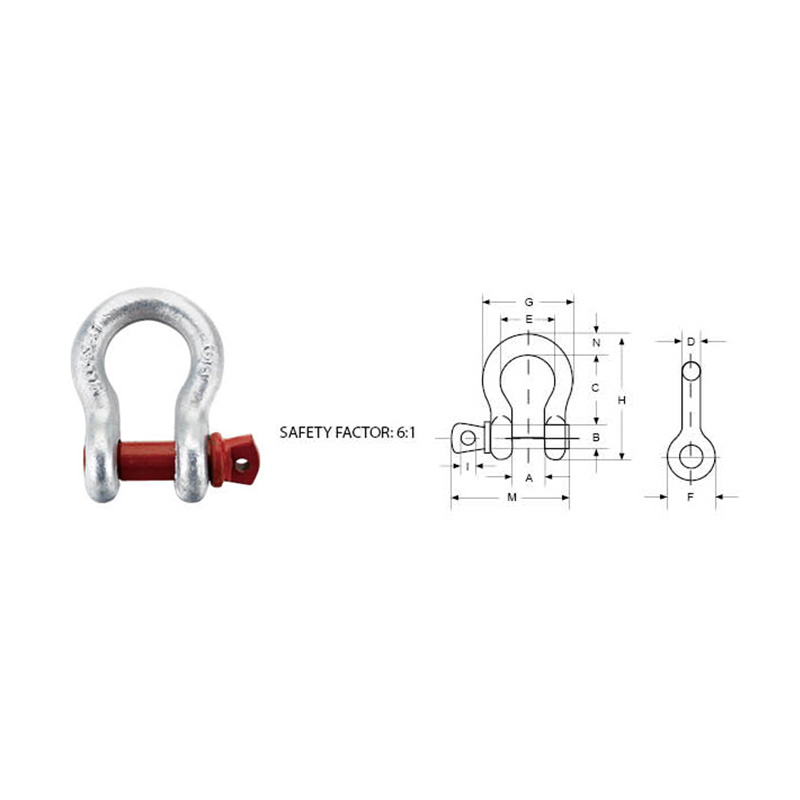 US Type High Tensile Forged Shackle G209The US-type high tensile forged shackle is a heavy-duty shackle designed to withstand high loads and provide strength and durability. These shackles are commonly used ...View Product →
Connecting links, hammerlocks and swivels
Type 2: Attachment Hardware, Hooks, Eye Bolts and Hoist Rings
Hooks and the latch myth
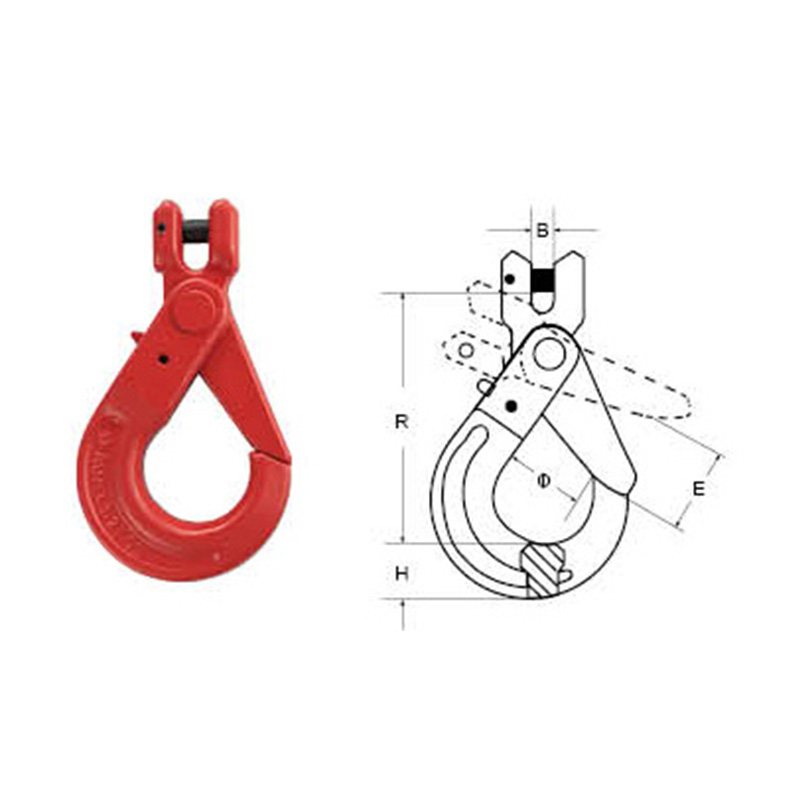 G80 Clevis Self-locking HookAll correct loading procedures should be followed during use to prevent the load from detaching from the hook. Never exceed workload limits/load capabilities. Doing so...View Product →
Eye and clevis, and why the choice is not cosmetic
Eye bolts, eye nuts and swivel hoist rings
Type 3: Tensioning and Termination Hardware
Turnbuckles and rigging screws
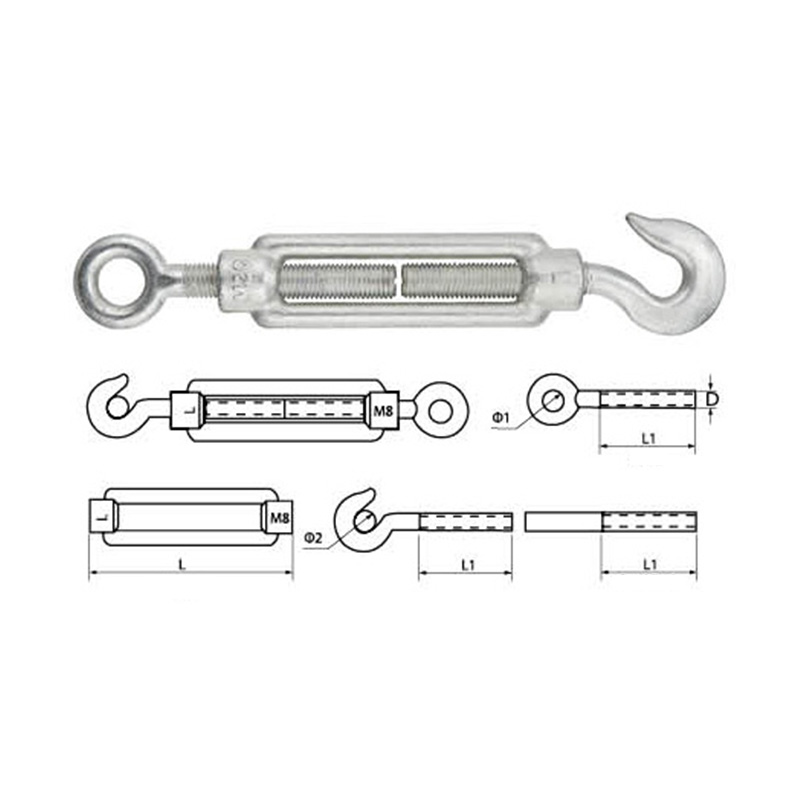 Turnbuckle DIN1480Turnbuckles are one of the popular wire rope fittings, ideal for horticulture, garden projects, landscaping, construction rigging and fencing, etc.View Product →
Wire rope clips and thimbles
Load binders and lashing tensioners
Type 4: Load-Handling and Direction-Changing Hardware
Blocks and pulleys
Beam clamps, plate clamps and trolleys
The Other Four Types People Mean: Sling Material Families
Chain slings
Wire rope slings
Synthetic web and round slings
Fibre rope and high-modulus rope
Material
Typical design factor
Best suited to
Watch out for
Alloy steel chain, Grade 80 and Grade 100
4:1
Hot, abrasive and sharp-edged loads; foundry, steel mill and heavy fabrication work
Notch sensitivity, weight, capacity reduction above the rated temperature limit
Wire rope
5:1
Heavy loads, high temperatures, crane main hoists and structural lifting
Internal corrosion, broken wires, sharp bends, crushed or kinked sections
Synthetic web and round slings
5:1 to 7:1
Finished, painted and delicate loads; general industry and fabrication
Cuts, ultraviolet degradation, heat above 90 degrees Celsius, chemical attack
Fibre rope, including high-modulus rope
5:1 or per manufacturer
Light loads, marine work, manual handling, utility and temporary work
Abrasion, moisture, and unrated cordage with no working load limit at all
Standards and Markings: How to Tell Rated Hardware from Decorative Metal
The standards you will see on real orders
Marking and traceability
Documentation
How to Select Rigging Hardware: A Practical Buying Checklist
Inspection and Discard Criteria
Pre-use checks
Periodic inspection
Discard criteria in practice
Sourcing Rigging Hardware Without Gambling on Quality
Recommended News
-
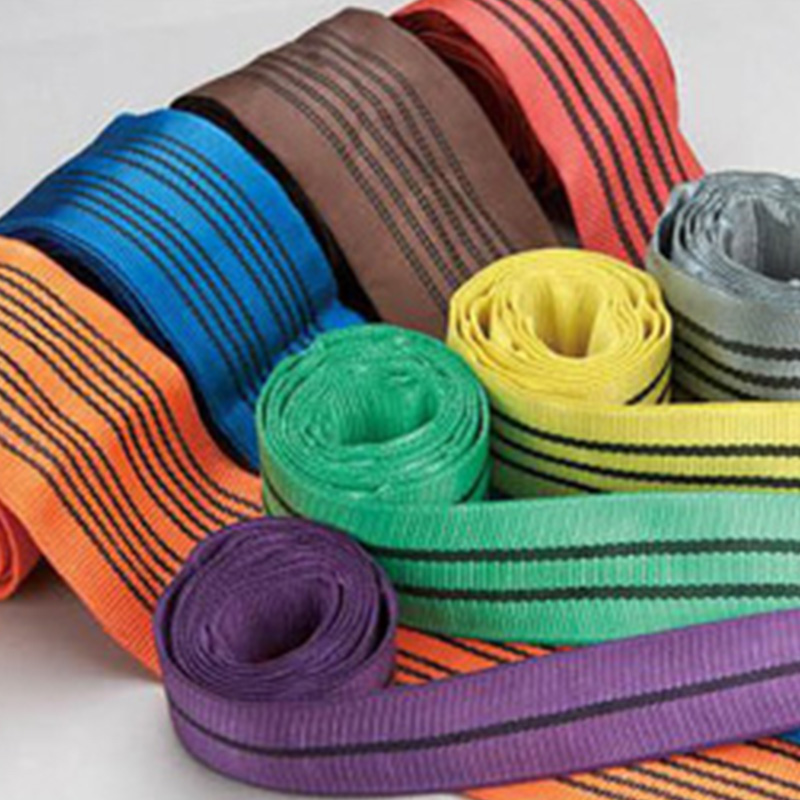
From structure to performance, a comprehensive explanation of high-strength polyester polyester round sling
-
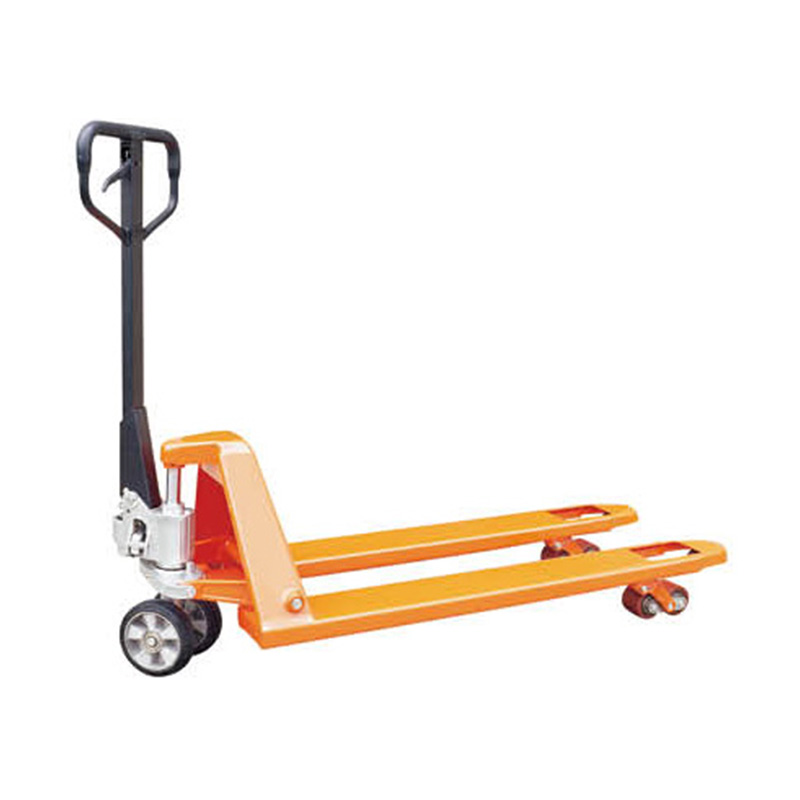
A comprehensive analysis of the functions, efficiency improvement, maintenance and troubleshooting of pallet trucks
-
How to make roadside assistance faster and more efficient with a tow belt?
-
What are the Key Techniques and Best Practices for Inspecting Steel Wire Ropes for Wear, Tear, and Potential Failures?
Copyright © NingBo Jiangdong Tianye Rigging Co,Ltd. Rights Reserved.
 Wholesale Webbing Hardware Manufacturers